

A Simple Guide for Busy Parents! As we step into a new year, many parents are looking for ways to create a more structured and harmonious home life. One of the most effective strategies is establishing a consistent routine for your child. A well-planned routine not only reduces daily stress for busy parents but also empowers children with a sense of predictability and control.
I discovered the power of routines with my own 5-year-old, and I only wish I’d started sooner! He absolutely thrives on knowing what to expect throughout his day and loves being involved in the planning process. The key is making the routine visual and, where possible, giving him some agency in choosing the order of activities. Of course, some activities need to follow a specific sequence, like brushing teeth before bedtime stories. In these cases, a little incentive, like a special story or some extra playtime, can work wonders. It’s not about constant rewards but rather acknowledging the successful completion of necessary tasks.
Creating the perfect routine for your child in 2025 will depend on several factors, including their age, personality, and preferences. To help you get started, here are some popular and effective tools we’ve personally used:
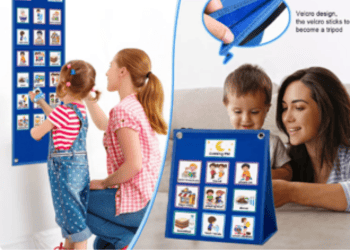
1. Kids Routine Boards:
These boards visually represent the daily routine, typically divided into morning, afternoon, and evening sections. Each section features images or words depicting common activities. The beauty of a routine board is its flexibility. You can customize it with your child, choosing the order of activities and even offering options for certain tasks. My son loved helping me build his routine board. We arranged the activity cards together and placed the board in his room where he could easily refer to it. He often surprises me by starting his routine independently – a parent’s dream!
- Pros: Boosts autonomy, visually engaging, simplifies daily routines.
- Cons: Needs space and some setup time.
2. Chores Checklist:
A simpler, more focused approach is a chore checklist. This can be a small chart with one or two-word tasks, sometimes accompanied by a simple drawing. Use a red cross to indicate incomplete tasks and a green tick for completed ones. You can find pre-made checklists or create your own. I found that letting my son write (or draw) the last few tasks on his list was a great way to encourage his writing skills and boost his sense of ownership.
- Pros: Easy for kids to understand and promotes early literacy skills.
- Cons: Can be less visually engaging than other options.

3. One Task Reward Chart:
This is the simplest option and can even be a DIY project! All you need is paper, a pen, and some stickers (optional). Write the single target task on one side of the paper and the reward (e.g., extra playtime, a special book) on the other. In the middle, list the days of the week. I used this for my son’s school days (Monday-Friday) to help him stay on track. You can adapt it to a full week if that suits your family’s needs.
- Pros: Super easy, zero cost, great for younger kids or focusing on single habits.
- Cons: Best for younger children or single-focus habits.
Remember, the key to a successful routine is consistency and flexibility. Be prepared to adjust the routine as your child grows and their needs change. By involving your child in the process and making it visual, you’ll set them up for success in 2025 and beyond!