
Why Your Child Melts Down at 3:30 PM (And the 5-Minute Routine to Fix It) Target Age: 5–10 years old
The 3:30 PM Mystery
You’ve just picked them up. You ask, “How was your day?” and suddenly, the car is filled with tears, shouting, or a flat-out refusal to move. If this sounds familiar, your child isn’t being “naughty”—they are experiencing After-School Restraint Collapse.
Think of it like a rubber band. All day at school, your child has been stretching that band to stay focused, follow rules, and be “good.” When they see you—their safe person—that rubber band finally snaps. They are finally safe enough to let all those big emotions out.
The “Empathy-First” Recovery Routine

To help your child transition from the high-pressure school environment to the safety of home, try this simple 3-step routine:
- The Silent Snack: Before asking about their math test, provide a high-protein snack and a drink. Many meltdowns are simply “hangry” feelings in disguise.
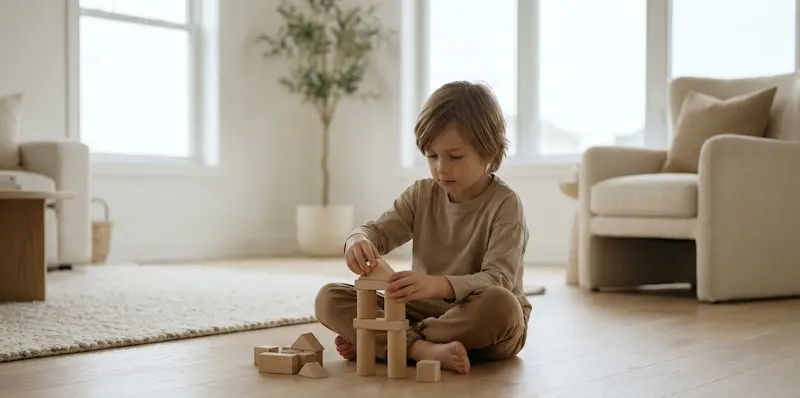
- The 10-Minute Decompression: Allow for “tactile tasks” or “offline learning.” This could be digging in the garden, playing with Legos, or just laying on a rug. No screens yet—screens often delay the collapse rather than fixing it.
- The “Check-In” Later: Wait until dinner or bath time to ask about their day. Give them at least an hour of “brain rest” before requiring them to process social information.
Why This Works for KRP Parents
We love practical tips that don’t require a PhD to understand. This routine isn’t about adding more “chores”; it’s about adding breathing room. By focusing on empathy over perfection, you’re building a routine that actually lasts.
Reality Check: If you’re currently holding a crying toddler while your 8-year-old is having a meltdown, just do Step 1. Hand them a piece of fruit, sit on the floor with them, and don’t say a word for two minutes. Sometimes, silence is the best routine.