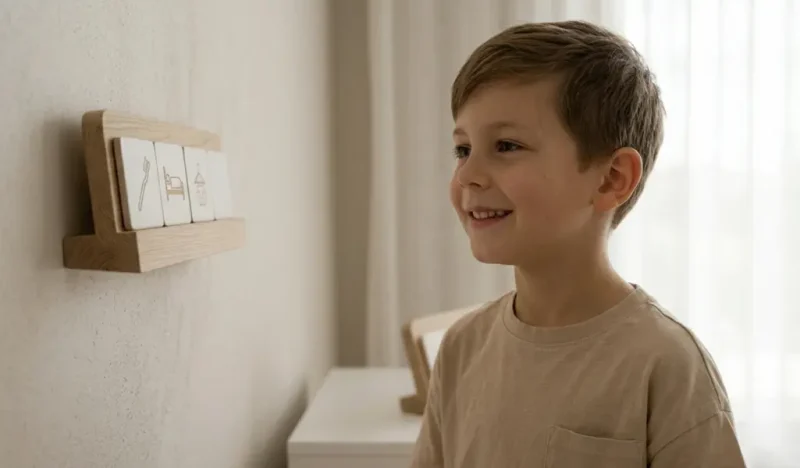
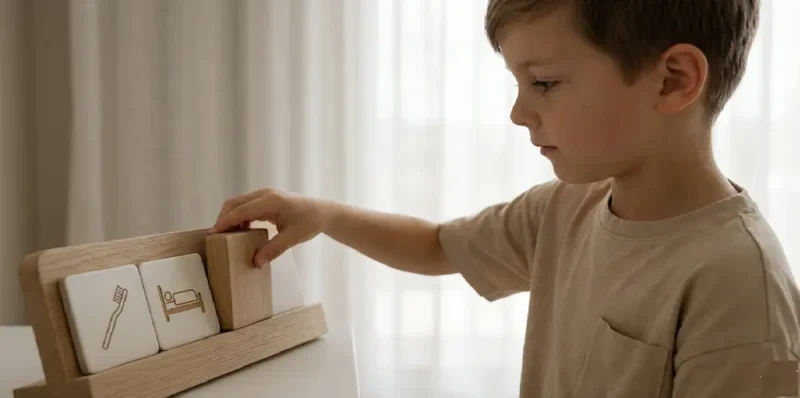
The 7:00 AM alarm isn’t always a gentle nudge into a new day; sometimes, it feels like a creeper explosion in the middle of your base. If you’re starting your morning in a frantic scramble,hunting for misplaced socks, negotiating over soggy toast, and checking the clock every thirty seconds, you are not alone. That feeling of “morning chaos” is the exact reason we built the Kids Routine Plan (KRP).
We know you want to be the supportive best friend and coach to your kids, not a drill sergeant shouting orders from the hallway. We also know you’ve likely done the research and read the books, yet you’re still searching for that one immediate, actionable exit strategy that actually sticks.
The secret isn’t a complex parenting philosophy or a 500-page manual on executive function. The answer is Minecraft Logic.
By reframing your morning as a Level Up Quest, you replace panic with practical steps. You move from “parent-as-warden” to “parent-as-guide,” tapping into your child’s natural dopamine loops by turning chores into “Main Quests.” Remember: we are here to help kids focus, not just manage their schedules.
You’ve got this. Let’s build your peaceful morning world, brick by brick.
1. Setting the World Seed: The Prep Phase
In Minecraft, you don’t start building a fortress without gathering wood and stone first. In parenting, you don’t start the morning at 7:00 AM. A successful “spawn” begins the night before with an Inventory Check. This foundational step ensures you aren’t trying to “craft” a solution at 7:15 AM when the school bus is already idling at the curb.
The Nightly Loot Drop
Five minutes before the “Log Off” (bedtime), have your child physically gather their survival gear. This ensures they are Spawn-Ready for school:
- The Armor: Lay out the next day’s clothes (including the elusive matching socks).
- The Consumables: Pack the water bottle and the lunchbox. Lunches are never made at 6:50 AM; they are “cached” in the fridge the night before.
- The Tools: Ensure the homework folder is tucked into the backpack.
The Armor Station
Designate a specific, labeled spot near the exit, your Armor Station. This is where the shoes, bag, and jacket live. If it’s not in the station, it’s “lost in the void.” Keep it minimalist; too many items create clutter and lag.
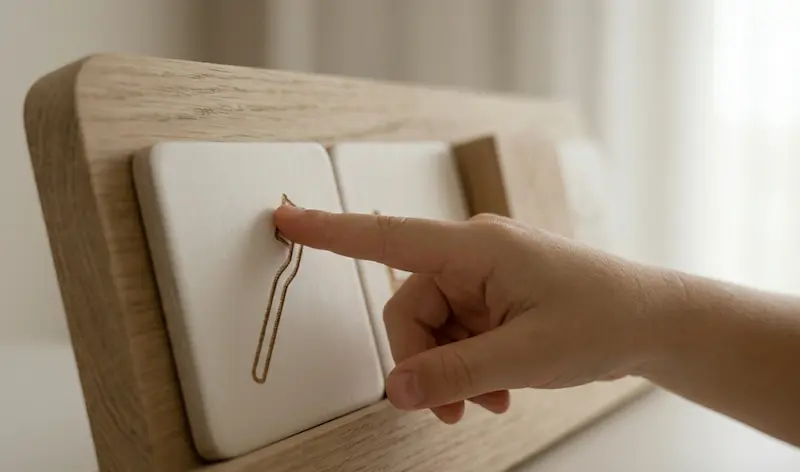
2. Crafting the Quest Board: Your Visual Map
A routine is just a map for the day. For kids—especially those aged 5–10—a Quest Board makes that map visual and exciting.
Level 1: The Respawn (The Wake-Up)
Avoid the “shouting method.” Instead, use a Power-Up Song. Pick an upbeat track that signals the start of the quest.
- The Goal: Get out of bed and “reset the spawn point” (make the bed).
- XP Earned: 100 XP. Logic: You can’t leave the base messy if you want to find your loot later.
Level 2: Equipping the Skin (Dressing)
Dressing is often where the “lag” happens.
- The Rule: No electronics (The “Pause Menu”) until the skin is fully equipped.
- The Sprint: If they’re moving slow, turn it into a 10-minute Activity Sprint. “Can you equip your armor before the song ends?”
3. Managing the Hunger Bar: Breakfast Without the Drama
Breakfast shouldn’t be a 20-minute negotiation. The goal is to maximize independence and minimize parental “grinding.”
The Potion Station
Set up a “Self-Serve” station. Place bowls, spoons, and weetbix or cereal in a spot where even a 6-year-old can reach them. This “Potion Station” builds independence and saves you from being the short-order cook.
- The No-Shame Zone: If the morning is a total “server crash” and they eat a granola bar in the car, you are still a great parent. The car granola bar is a judgment-free zone.
4. Defeating the Mobs: Handling Resistance
When a child argues or stalls, those are “mobs” (the creepers and zombies of the morning). You don’t defeat them with a lecture; you use a specific tool.
- The Creeper (The Meltdown): When they feel rushed and start to explode.
- The Tool: The Choice Block. Offer two acceptable options to give them a sense of control. “Do you want the blue toothbrush or the red one?”
- The Zombie (The Slow-Poke): When they are staring into space, completely “lagging.”
- The Tool: The First/Then Command. State the requirement clearly, followed by the reward. “First, we put on our shoes, then we can listen to your podcast in the car.”
- The Enderman (The Distracted Wanderer): When they suddenly find a toy they haven’t seen in months.
- The Tool: Concise Coding. Keep instructions under 10 words. “Shoes on, bag packed, let’s go.”
5. Age-Staged Advancement
Routines aren’t one-size-fits-all. A toddler’s quest is different from a tween’s interface.
- Toddlers (1–3 Years): The Simple Build. Use mostly pictures. Focus on basic habit formation and high verbal encouragement. “You put your shirt on! That’s so strong!”
- Schoolers (5–10 Years): The Collaborative Build. This is the “Goldilocks” zone for Minecraft Logic. Let them help design the Quest Board. If they help build the rules, they are more likely to follow them.
- Tweens (11+ Years): The Mobile Interface. A physical board might feel “too young.” Move their quest to a digital checklist or a simple routine app. Their focus shifts to long-term planning and device management.
6. The “Lived-In” Reality: When the Server Crashes
Your home isn’t a stock photo; it’s a lived-in space. Some days, there will be spilled milk, a lost shoe, or a genuine “server crash.”
When this happens, remember the KRP core value: Empathy and No Judgment. Don’t let shame derail your entire day. If you’re five minutes late, acknowledge it’s a hard morning for everyone. Use a Boredom Gap activity in the car—like an “I Spy” game or a kid-friendly podcast—to reset the emotional regulation for everyone before the school drop-off.
7. The Peace Exit: Your Final Strategy
By treating the morning like a Minecraft quest, you aren’t just getting out the door. You are teaching your child how to organize their world, providing clarity, and promoting independence. Whether you are in Australia, the UK, or the US, these “plug-and-play” solutions are designed to democratize peaceful parenting.
You’ve got the map, you’ve got the armor, and you’ve got the logic. Now, go build a better morning.
You’ve got this. You are the Master Coach of your home.
Look, we know that reading this is the easy part. The hard part is tomorrow morning at 7:02 AM when the dog is barking and the 8-year-old can’t find their left shoe. On those days, ignore the XP points. Forget the “Armor Station.” Just give them a hug, a piece of toast, and remember that you’re doing a great job simply by showing up. The “Perfect Routine” doesn’t exist, but a “Peaceful Enough” morning does. Start there.